
Roof Leaks 101: Solutions for Common Issues
Roofing, Home Maintenance
Roof Leaks 101: What Homeowners Search For Most (And What To Do About It)
“Why is my roof leaking?” is one of the most common roofing questions people type into search engines. If you’ve spotted a water stain on your ceiling, a drip during heavy rain, or a musty smell in your attic, you are definitely not alone. This guide breaks down the roofing leak issues customers usually search online, what they really mean, and the practical steps you can take before, during, and after calling a professional roofer.
The Roof Leak Panic: Why This Issue Dominates Online Searches
When something goes wrong with a roof, it rarely happens at a convenient time. It’s usually during a heavy rainstorm, a windy night, or just after a big snowfall. That’s why so many homeowners rush to the internet with urgent questions like:
“Roof leaking but can’t find where it’s coming from”
“Small leak in ceiling, is it serious?”
“Temporary fix for leaking roof”
“Does a leaking roof mean I need a whole new roof?”
These searches all circle around one core roofing issue: water is getting where it shouldn’t. Even a small leak can feel overwhelming, because you’re wondering about cost, damage, insurance, and how fast you need to act. Understanding what’s happening above your head can help you make calmer, smarter decisions instead of reacting in panic.
The Most Common Causes of Roof Leaks Homeowners Look Up Online
When you search for roof leak information, you’ll see the same culprits come up again and again. Knowing these typical problem areas will help you understand what your roofer is talking about and why they recommend certain repairs.
1. Damaged or Missing Shingles
After a windstorm, many homeowners search “missing shingles roof leak” or “curled shingles water damage.” Shingles are your roof’s first line of defense. When they crack, curl, or blow off, the waterproof barrier beneath becomes exposed. Water can then seep under the remaining shingles and eventually into your home. Sometimes the leak appears far from the visible damage, because water travels along wood and framing before showing up on your ceiling.
2. Failing Flashing Around Chimneys, Vents, and Skylights
Another highly searched issue is “roof leaking around chimney” or “water around bathroom vent.” Anywhere your roof has a penetration—chimneys, plumbing vents, skylights—metal or rubber flashing is used to seal the gap. Over time, flashing can rust, crack, or pull away from the surface. Even a tiny gap is enough for water to work its way inside during storms or when snow melts.
3. Clogged Gutters and Poor Drainage
“Gutters overflowing causing roof leak” is another phrase that pops up constantly. When gutters are packed with leaves, dirt, or shingle granules, water can’t flow away from your roof and foundation. Instead, it backs up under the edge of your shingles or overflows onto siding and fascia boards. Over time, this leads to rot, mold, and leaks along the roof’s edge or inside exterior walls.
4. Ice Dams in Colder Climates
In snowy regions, many winter searches revolve around “ice dam roof leak” and “water coming in after snow.” Ice dams form when heat from your home melts snow on the upper part of the roof. The water runs down to the colder edge, refreezes, and forms a ridge of ice. As more water backs up behind the dam, it can sneak under shingles and into your home, even if your roof is otherwise in good condition.
5. Old Age and General Wear
Searches like “roof leaking 20-year-old shingles” or “how long should a roof last” reflect another truth: materials don’t last forever. Asphalt shingles typically last 15–30 years depending on climate and quality. As they age, granules wash away, the surface becomes brittle, and tiny cracks form. Even without a dramatic storm, time alone can create enough wear for water to find a way in.
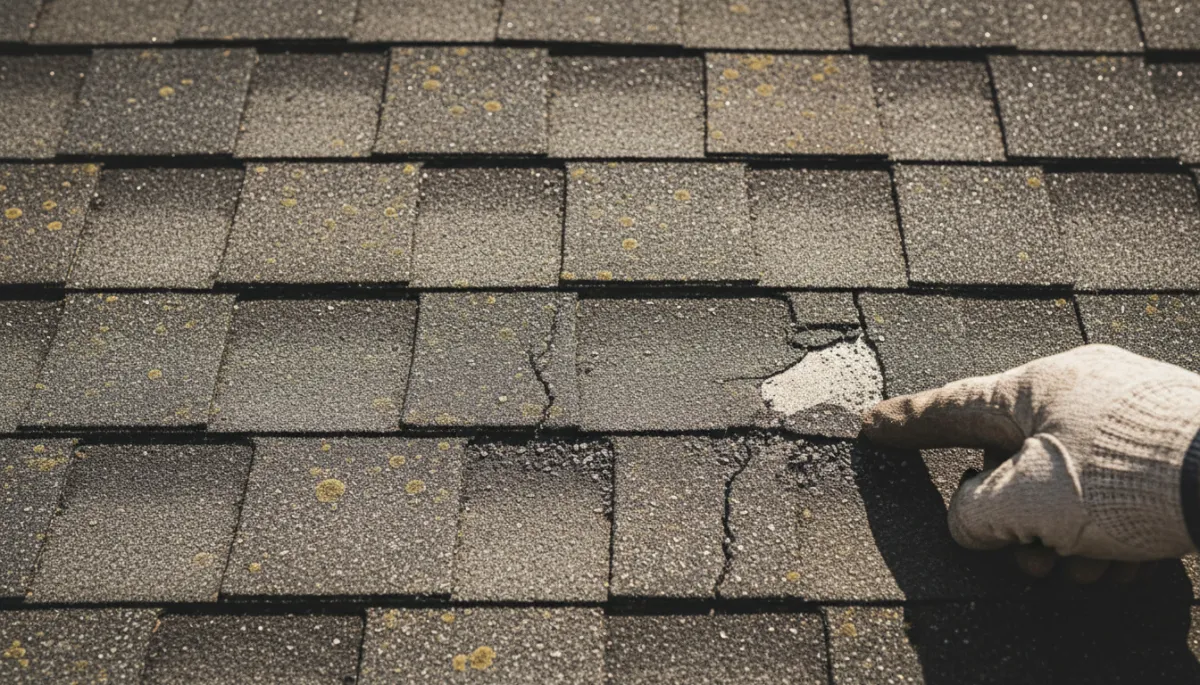
Early signs of wear on shingles often appear years before major leaks start.
How to Spot a Roof Leak Early (Before It Becomes an Emergency)
Many of the most desperate online searches—“ceiling just collapsed from leak” or “water pouring through light fixture”—could have been prevented with earlier detection. You don’t have to climb onto your roof to catch warning signs. A few simple checks can alert you to trouble while it’s still manageable.
Check ceilings and upper walls regularly. Look for yellow or brown stains, bubbling paint, or peeling drywall, especially after heavy rain or snow.
Peek into the attic. Use a flashlight to inspect the underside of the roof deck. Dark stains, damp insulation, or a musty smell are early red flags.
Walk the perimeter of your home. From the ground, look for missing shingles, sagging areas, rusted flashing, or gutters pulling away from the house.
Pay attention to your energy bills. A sudden spike, especially in winter, can hint at hidden moisture or ventilation issues affecting your roof’s performance.
💡 Pro Tip: Take a few photos of your ceilings, attic, and roofline once or twice a year. Comparing them over time makes it easier to spot subtle changes that might signal a developing leak.
What to Do Right Away If You Suspect a Roof Leak
When water is actively coming in, most people immediately search for “emergency roof leak fix” or “how to stop roof leak in rain.” While only a professional roofer can truly repair the problem, there are smart steps you can take to limit damage while you wait for help.
Protect your belongings. Move furniture, electronics, and valuables away from the leak. Use plastic sheets or tarps to cover anything that can’t be moved easily.
Contain the water. Place a bucket or container under the drip. If the ceiling is bulging with water, carefully poke a small hole with a screwdriver to release it in a controlled way—this can prevent a larger, sudden collapse.
Document everything. Take clear photos and short videos of the leak, the affected room, and any visible roof damage outside. This documentation is invaluable for insurance claims and for your roofer’s assessment.
Call a reputable roofing contractor. Search locally for licensed, insured roofers with solid reviews. Explain when the leak started, how often it occurs, and what you’ve noticed. The more detail you provide, the better they can prioritize and prepare for your visit.
What you shouldn’t do is attempt risky DIY roof work during bad weather. Many tutorials and quick-fix products show up in online searches, but climbing onto a wet, steep roof without proper equipment is dangerous. Temporary sealants or tarps, if not installed correctly, can also trap moisture and create bigger issues later.
Do You Need a Repair or a Full Roof Replacement?
Another top search homeowners make is “repair vs replace leaking roof.” The answer depends on several factors: the age of your roof, the extent of the damage, and whether the leak is isolated or part of a bigger pattern.
A repair may be enough if: your roof is relatively young, the damage is limited to a small area (such as around a vent), and the rest of the shingles are in good condition.
A replacement is often smarter if: your roof is near or past its expected lifespan, you’ve had multiple leaks over time, or large sections of shingles show curling, cracking, or loss of granules.
A trustworthy roofer will inspect your entire roof, attic, and key transition areas before recommending either option. Don’t be afraid to ask them to show you photos of the damage and explain their reasoning in plain language. You’re not expected to be a roofing expert—that’s why you hired one—but you do deserve to understand the condition of your home and the choices in front of you.
Preventing Future Leaks: Simple Habits That Make a Big Difference
If you’ve ever typed “how to prevent roof leaks” into a search bar, you already know prevention feels a lot better than cleaning up after water damage. The good news is that a few simple habits can significantly reduce your risk of surprise leaks and extend the life of your roof.
Schedule regular roof inspections. Having a professional check your roof every 1–2 years can catch loose shingles, failing flashing, or small gaps long before they turn into major leaks.
Keep gutters and downspouts clear. Clean them at least twice a year, and more often if you have trees close to the house. Proper drainage protects both your roof and your foundation.
Trim overhanging branches. Branches that rub against your roof can wear away shingles, and falling limbs during storms can cause sudden, severe damage.
Improve attic ventilation and insulation. Proper airflow and insulation help prevent ice dams, reduce moisture buildup, and keep your roof structure healthier over time.
Final Thoughts: Turn Your Online Search into Informed Action
Roof leaks are one of the most stressful home issues—and one of the most searched roofing topics online—because they combine uncertainty, potential high costs, and the fear of hidden damage. But understanding the basics of why roofs leak, what warning signs to look for, and how professionals diagnose and fix the problem puts you back in control.
The next time you notice a suspicious stain or hear a drip during a storm, you’ll know it’s not just a random problem: it’s your roof asking for attention. Responding quickly—by protecting your belongings, documenting the issue, and contacting a qualified roofer—can limit damage and save you money in the long run. Pair that with simple preventative habits like gutter cleaning, attic checks, and periodic professional inspections, and you’ll dramatically reduce the chances of facing a true roofing emergency.
Your roof is your home’s first shield against the elements. Treating roof leaks as urgent but manageable issues, rather than unsolvable disasters, helps you make clear-headed decisions. So while it’s natural to start with an online search, the most important step is what you do next: turning that information into confident, practical action to protect your home and everything in it.
