
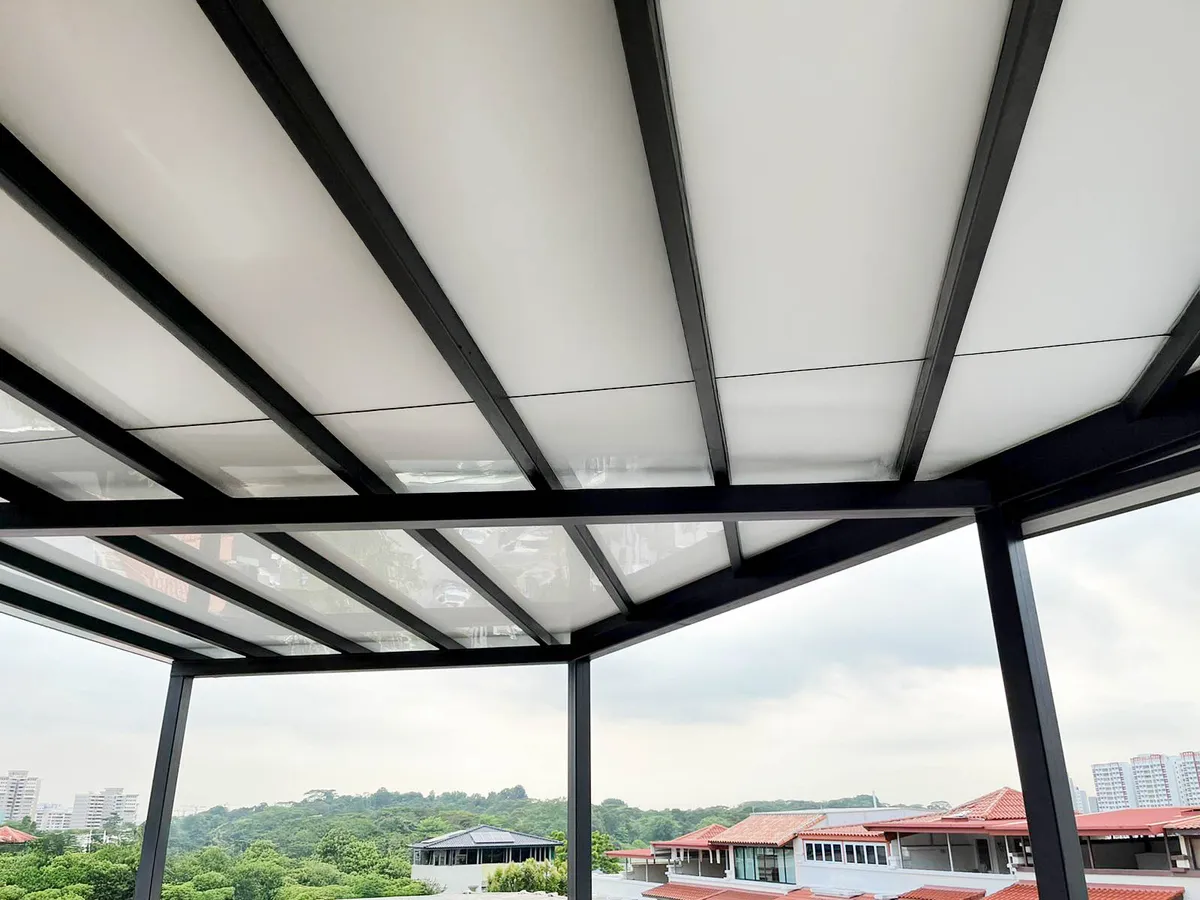
Plan Roof Extension with Future Upgrades in Mind
Roof Extension, Home Upgrades, Outdoor Living
Planning a Roof Extension? Think About These Future Upgrades First
A roof extension is one of the most impactful ways to create a usable outdoor living area, but the smartest homeowners know the real magic is in the planning. Before the first post is set in concrete, it pays to think ahead about future upgrades like ZipBlind® installation, ceiling fans, lighting, outdoor decking and electrical planning. A little foresight now can save you from messy, expensive rework later.
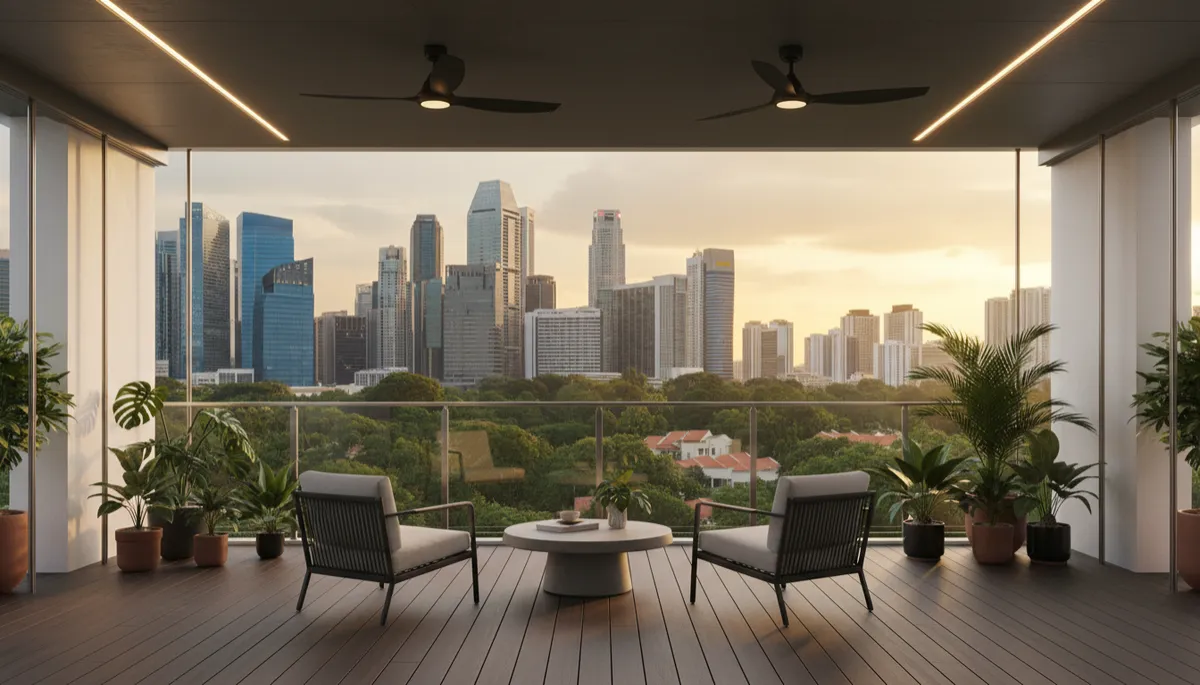
Start With the End in Mind: Why Future-Proofing Matters
When you picture your finished roof extension, you probably imagine lazy Sunday lunches, cool breezes from ceiling fans, soft lighting at night and maybe motorised ZipBlind® closing off the space on windy or rainy days. Those details are what turn a simple cover into a true outdoor room. Yet many people only think about these home upgrades after the structure is built, which often means:
Cutting into freshly finished beams or ceilings to run new wiring
Pulling up sections of outdoor decking to add electrical conduits
Discovering there is no solid fixing point for ZipBlind® tracks or pelmets
None of this is impossible to fix, but it will cost more, take longer and usually involve undoing work you have already paid for. Early planning lets your builder, electrician and blind installer coordinate everything from structural supports to wiring routes while access is easy and materials are still exposed.
ZipBlind® Installation: Build for Comfort and Flexibility
ZipBlind® systems are a popular addition to roof extensions because they block wind, rain and harsh sun while still looking sleek and modern. But a clean, professional ZipBlind® installation depends heavily on how the roof extension is constructed in the first place. Before framing begins, think about:
Mounting surfaces: ZipBlind® side tracks and head boxes need straight, solid surfaces. Ask your builder to include appropriate beams or posts in the right locations so blinds can be fixed securely without awkward brackets or packers later.
Recessed or face-fit: If you want the head box recessed into the roof extension for a minimalist look, the framing must allow enough clearance and access. This is almost impossible to change once the structure is lined and painted.
Motorisation and power: Motorised blinds are more convenient and can be integrated with smart home systems, but they need power. Planning the electrical points and conduits for ZipBlind® right from the start keeps cables hidden and safe from the weather.
💡 Pro Tip: Even if your budget only stretches to manual blinds today, run power to potential ZipBlind® locations while the roof extension is open. You will thank yourself when you decide to upgrade.
Ceiling Fans: Cool Breezes Without Visible Cables
Ceiling fans are one of the simplest and most effective ways to make a roof extension comfortable through summer. The key is to design for them early so they look intentional rather than an afterthought. When planning your roof extension, consider:
Fan position: Think about where your outdoor dining table or lounge will sit and place fans directly over these zones for maximum comfort. Mark these locations on the plans so extra noggins or bracing can be added to support the fan weight.
Ceiling height: Fans need adequate clearance for safety and airflow. If you are considering a lower ceiling or bulkhead for lighting, check that fan blades will still be at a suitable height.
Wiring and switching: Decide whether you want separate wall switches, remote controls or smart control. Early electrical planning ensures the right cables and switch positions are included before the ceiling is lined.
Lighting: Set the Mood From Day One
Good lighting can transform your roof extension from a daytime-only space into an inviting evening retreat. Rather than tacking on a couple of floodlights at the end, design a simple but flexible lighting plan as part of your roof extension project. Think about:
Layered lighting: Combine practical task lighting (for the barbecue or outdoor kitchen) with softer ambient lighting over the seating area. Recessed downlights, wall lights and even LED strip lighting can all be wired at the same time if planned early.
Switching and dimming: Separate circuits and dimmers allow you to adjust the atmosphere. It is far easier to run extra cables for a second switch line when the roof framing is still open than to retrofit later.
Glare and neighbours: A thoughtful lighting layout avoids shining bright light directly into your home or neighbouring properties. Planning locations and beam angles upfront minimises trial and error once fittings are installed.
Outdoor Decking: Structure First, Surface Second
Many roof extensions sit over some form of outdoor decking, whether it is composite boards, hardwood or tiled concrete. Because decking is usually the last visible layer to go down, it is easy to forget how much needs to happen underneath it. Early planning around the deck structure can save serious disruption later. Consider:
Conduits under the deck: If you may want garden lighting, outdoor speakers or additional power points in the future, ask your builder to run spare conduits under the deck before boards are fixed. This simple step avoids pulling up boards if you decide to add features later.
Drainage and levels: A roof extension changes how water falls and drains. Proper falls, drainage channels and gaps in the decking design prevent pooling water that can damage both the structure and any future ZipBlind® fabrics at ground level.
Future zones: If you think you might add an outdoor spa, kitchen or built-in seating down the track, allow for extra joists or footings now. Retrofitting heavy loads onto a light-duty deck can be costly and complex.
Electrical Points: Small Decisions, Big Convenience
Thoughtful electrical planning is one of the easiest ways to future-proof a roof extension, yet it is often rushed. Take a moment to imagine how you will actually live in the space. Will you plug in a heater during winter? Run a laptop outside while you work? Charge phones or power a portable speaker? Then plan electrical points accordingly:
Power outlets in the right places: Include weatherproof outlets near seating areas, beside any outdoor kitchen and close to where ZipBlind® motors may be installed. It is inexpensive to add extra outlets while wiring is underway compared with running new circuits later.
Data and Wi‑Fi: If you plan to work or stream entertainment under your roof extension, discuss data cabling or a Wi‑Fi access point with your electrician. Doing this early avoids patchy coverage and messy visible cables.
Switch locations: Group switches in logical positions, such as near the door leading outside, so you can control lighting and fans easily as you move in and out of the space.
📌 Key Takeaway: It is rarely the big-ticket items that cause frustration later, but the missing outlet, awkward switch or exposed cable that could have been avoided with a 10‑minute planning conversation.
How Early Planning Prevents Costly Rework
Every change you make after your roof extension is finished involves some level of undoing: cutting, patching, repainting or lifting boards. That all adds cost and inconvenience. By contrast, planning for home upgrades like ZipBlind®, ceiling fans, lighting, outdoor decking details and electrical points at the design stage means:
Structural supports are in the right place from day one
Wiring and conduits are hidden neatly within the structure
Future installations are faster, cleaner and less disruptive
The finished space looks cohesive rather than pieced together over time
You do not need to install everything at once. Many homeowners stage their upgrades over several seasons: roof extension and decking first, then ZipBlind®, then extra lighting or heating. The crucial step is to design the framework that makes each of those additions simple when the time is right.
Bringing It All Together: A Roof Extension That Grows With You
A well-planned roof extension is more than just a cover from the weather; it is an adaptable outdoor room that can evolve with your lifestyle. By thinking ahead about ZipBlind® installation, ceiling fans, lighting design, outdoor decking structure and detailed electrical planning, you set yourself up for years of easy, low‑stress upgrades instead of disruptive renovations.
Before you finalise your drawings or sign off on a quote, sit down with your builder and electrician and walk through how you want to use the space—not just this year, but five years from now. That conversation may add a few lines to your plans today, but it can remove a long list of headaches, compromises and extra costs in the future.
When your roof extension is finally complete and you are relaxing under softly lit beams, with a gentle breeze from the ceiling fans and ZipBlind® ready to roll down at the touch of a button, you will be glad you designed it with tomorrow in mind.
