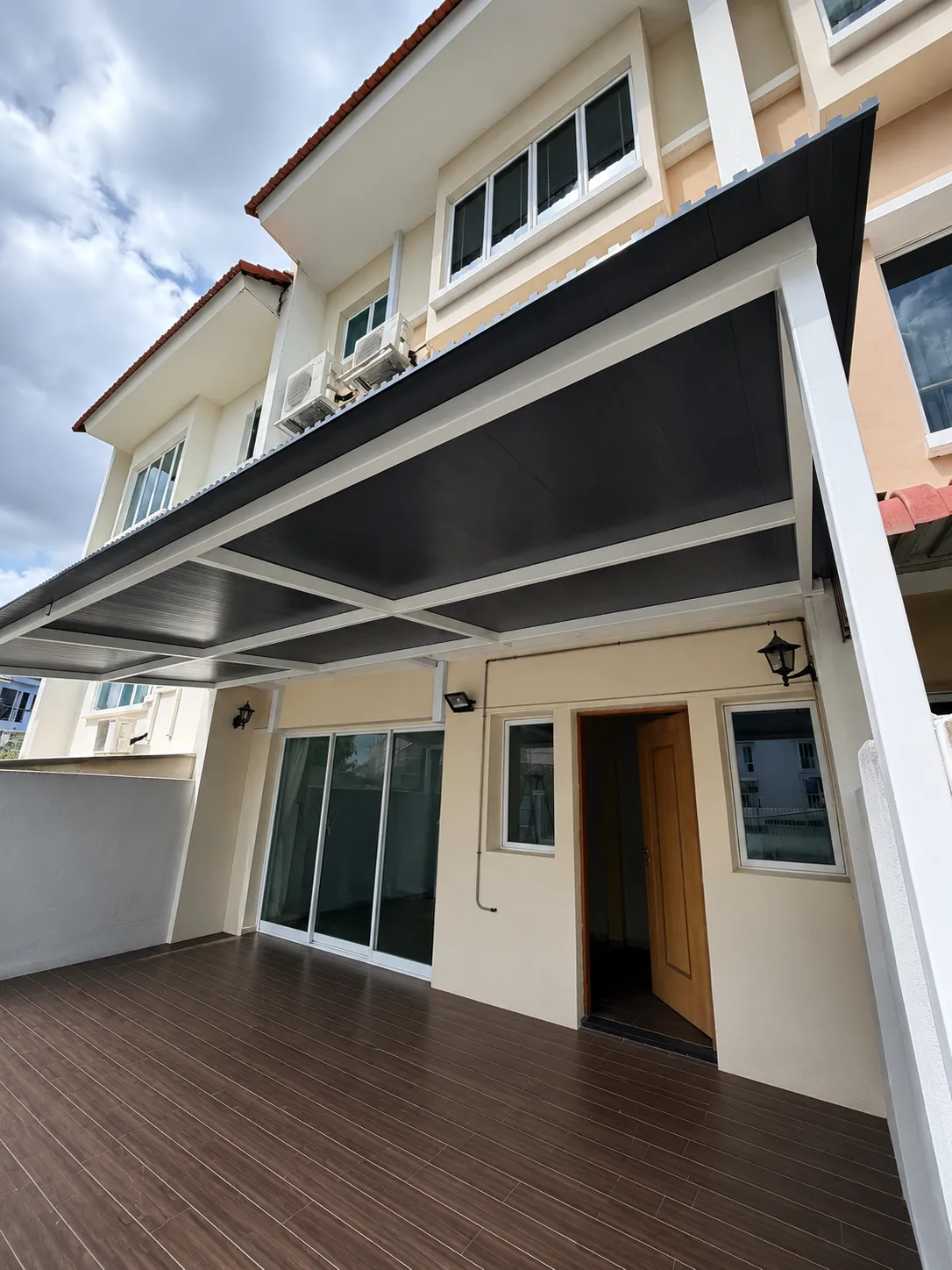
The Best Ways to Increase the Lifespan of Roofing Systems in Singapore
A roofing system is not something homeowners want to keep repairing every few months. Once installed, it should remain reliable, safe, and presentable for years, especially in Singapore’s climate where strong sun, sudden rain, humidity, and wind-driven showers can wear down outdoor structures faster than expected.
However, the lifespan of a roofing system does not depend only on the material chosen. It also depends on the structure, drainage, installation quality, maintenance habits, and whether small issues are addressed before they become larger problems.
For homeowners looking at roofing solutions in Singapore, understanding how to extend the lifespan of an existing or new roof can help reduce unnecessary repairs, avoid premature replacement, and keep the outdoor space usable for longer.
Make Sure the Structure Is Built Properly
The visible panel is only one part of the system. The structure underneath plays a major role in how well the roof performs over time.
A strong support frame helps keep the roofing system stable, aligned, and secure. In Singapore’s humid and rainy climate, using suitable structural materials such as galvanised steel can help improve resistance against corrosion when compared with untreated steel.
Homeowners may not always see the structure clearly after installation, but it affects the overall lifespan of the roof. If the frame begins to rust, shift, or weaken, the roofing panels may move out of alignment, gaps may appear, and leakage may become more likely.
This is why a proper roofing contractor in Singapore should not only discuss the surface material. They should also explain how the system will be supported, where the structure will be fixed, and how the installation is planned for long-term use.
Plan Drainage Before Installation
One of the most important ways to increase the lifespan of any roofing system is proper drainage planning.
Singapore rain can be heavy, sudden, and unforgiving. If water is not directed away properly, it may collect on the surface, overflow at the edges, stain nearby walls, or enter through connection points. Over time, poor drainage can cause repeated leakage, algae growth, watermarks, and unnecessary stress on the structure.
Good drainage should be planned before installation begins. The roof slope, gutter position, downpipe location, and water discharge direction should all be considered based on the actual site condition.
A roofing system that does not manage water properly may still look fine on a sunny day, but the real test comes during heavy rain. If water is allowed to sit or flow in the wrong direction, even a good material may age faster than expected.
Keep Gutters and Drainage Clear
Even a well-planned drainage system can fail if it is not maintained.
Leaves, dust, debris, and algae can build up in gutters and downpipes over time. When water cannot flow away smoothly, it may overflow, splash back into the outdoor area, or seep into joints and wall connections.
Homeowners do not need to inspect their roof every week, but it is useful to check for signs of blocked drainage after periods of heavy rain. Water overflowing from the gutter, unusual dripping, stains on the wall, or puddles forming below the roof can all be early warning signs.
Clearing drainage points regularly is one of the simplest ways to extend the lifespan of a roofing system. It is not glamorous, but neither is paying for avoidable repairs.
Inspect Sealant and Wall Connections
Many roofing problems begin at connection points, especially where the roof meets an existing wall or structure.
Sealant and flashing details help prevent water from entering through gaps, but these areas are exposed to heat, rain, and movement over time. In Singapore’s weather, materials may expand and contract, and sealant may eventually harden, shrink, or crack.
This does not always mean the roofing system has failed. In many cases, the roof panel may still be in good condition while the sealant or joint requires maintenance.
Homeowners should watch for stains, small drips, cracks along sealant lines, or damp patches near wall connections. Addressing these signs early can prevent water from spreading into larger areas and reduce the need for more extensive repair work later.
Choose Materials Based on Usage, Not Only Appearance
A roofing system should be chosen based on how the outdoor area will be used.
A service yard, balcony, car porch, patio, garden corner, and outdoor dining space all have different needs. Some areas need more natural light, while others need stronger shade. Some spaces are mainly functional, while others are used daily by the family.
For example, FluteShield™ may be suitable for homeowners who want a more comfort-focused system, especially where heat and rain noise are concerns. Aluminium Composite Panel (ACP) may be more suitable for spaces that need strong shade and a clean modern finish. A Glass roof may work well where brightness and visual openness are important, but it should be planned carefully if the area receives harsh afternoon sun.
The right material reduces unnecessary strain on the system and helps the outdoor area remain practical for longer. Choosing only based on how the roof looks on day one may lead to regret if the space becomes too hot, too dark, too noisy, or too difficult to maintain later.
Add Side Protection Where Needed
A roof protects the top of an outdoor space, but Singapore rain does not always fall straight down.
Wind-driven rain can enter from the side and make homeowners think the roofing system is leaking, even when the water is actually coming through an open front or side. Side glare, wind, dust, and privacy issues can also make the space less comfortable to use.
This is where ZipBlind® can help support the overall outdoor setup. When paired with a suitable roofing system, ZipBlind® can reduce side rain, glare, wind exposure, and privacy concerns.
Adding side protection where needed can also reduce how much water and debris enters the sheltered area, which may help keep the space cleaner and easier to maintain over time.
The key is to identify whether the issue is coming from above or from the side before deciding on the solution.
Avoid Overloading or Modifying the Roof Improperly
Once a roof is installed, some homeowners may later want to add lights, fans, hanging plants, decorations, or other fixtures. While these additions can improve the outdoor space, they should not be installed without checking whether the structure is suitable.
Improper drilling, extra load, poor wiring, or unplanned attachments can affect the roof’s performance and may create leakage points or structural stress.
If homeowners plan to add lighting, fans, ZipBlind®, or future upgrades, it is better to discuss these possibilities early with the contractor. A properly planned system can allow for future additions more safely and neatly.
Future-proofing the space from the start is usually easier than modifying the system after everything has already been completed.
Clean the Roof Surface Carefully
Different roofing materials require different cleaning methods.
Harsh chemicals, rough scrubbing tools, or unsuitable cleaning methods may damage the surface finish, sealant, or coating. For example, clear roofing materials such as a Glass roof or polycarbonate roof may show watermarks and stains more obviously, while solid roofing materials may require different cleaning care.
Homeowners should follow the contractor’s maintenance advice and avoid using cleaning products that may damage the material.
Cleaning does not need to be excessive, but regular removal of dirt, leaves, and stains can help preserve the appearance of the roofing system and prevent build-up that may affect water flow.
Keep Warranty and Service Records
Homeowners should keep all documents related to the roofing system, including quotations, warranty details, material specifications, drawings, service records, and photos of the completed installation.
These records are useful if the homeowner needs after-sales support, repair, or future upgrades. They help the service team understand what was installed, when it was installed, and which parts were used.
This is especially important if the system includes customised components such as Pergola, ZipBlind®, Glass roof, FluteShield™, or specific finishing details.
Good documentation can make future maintenance and service faster, clearer, and less dependent on memory.
Work With a Contractor That Provides After-Sales Support
The lifespan of a roofing system is not determined only by installation quality. It is also affected by the support available after installation.
Some issues may only appear after heavy rain, strong wind, or repeated exposure to heat and humidity. When that happens, homeowners need a contractor who can inspect the concern properly and explain whether the issue relates to drainage, sealant, material, structure, or side exposure.
A clear after-sales process gives homeowners confidence that they will not be left alone after the project is completed.
When choosing a roofing contractor in Singapore, homeowners should ask how service requests are handled, who performs inspections, what the warranty covers, and whether the company has a stable track record of supporting customers over time.
A warranty is only useful when there is a company ready to honour it.
Conclusion
The best way to increase the lifespan of a roofing system is to treat it as a complete system, not just a panel installed overhead.
A long-lasting roofing system depends on the right material, proper structure, drainage planning, clean installation, suitable side protection, regular maintenance, early repair, and reliable after-sales support.
For homeowners in Singapore, this matters because outdoor systems are exposed to strong sun, heavy rain, humidity, wind, and daily wear. Small issues such as blocked gutters, worn sealant, poor drainage, or side rain can affect the system if they are ignored for too long.
Whether the setup includes Aluminium Composite Panel (ACP), polycarbonate roof, Glass roof, FluteShield™, Pergola, awning, Wooden Cladding Aluminium, or ZipBlind®, the principle is the same: the roofing system should be planned, installed, maintained, and supported properly.
A good roof should not only look complete on installation day. It should continue to perform years later, when Singapore weather has properly tested it.
