
Maintain Natural Light with Roof Extensions
Home Design, Natural Light, Roof Extension
How to Keep Natural Light When Adding a Roof Extension in Singapore Homes
Planning a roof extension in an HDB or condo can easily darken your home if you are not careful. With the right strategy, you can enjoy extra shelter and usable space while still flooding your interiors with beautiful natural light.
Why Roof Extensions Often Steal Natural Light
In many HDB Singapore and condo units, balconies, service yards, and open-to-sky planters are the main sources of daylight. When a solid roof extension is added over these areas, it can unintentionally block natural light from entering the adjacent living room, kitchen, or bedroom. The result is a darker interior and higher dependence on artificial lighting during the day.
The good news is that careful planning around strategic roof sizing, material choice (such as a Glass Roof or Polycarbonate Roof), and understanding sun direction can help you keep your home bright, airy, and comfortable while still gaining the protection you need from rain and harsh heat.
1. Strategic Roof Sizing: Cover What You Need, Not Everything
The first mistake many homeowners make is oversizing the roof extension. Extending the roof all the way to the outer edge of the balcony or yard may give maximum shelter, but it also creates a deep shaded zone that blocks daylight from reaching inside. In compact HDB and condo layouts, even an extra 30–50 centimetres of depth can make a noticeable difference to how far natural light travels into the room.
Keep the extension shallow where possible. Instead of roofing the entire balcony, consider a smaller canopy that stops short of the outer edge. This leaves a strip of open sky that still channels light into the interior.
Use stepped or tiered depths. For longer balconies, design the roof with varying depths: deeper above seating or laundry zones and shallower in front of windows or sliding doors to keep those areas brighter.
Leave intentional “light pockets”. Small unroofed openings or cut-outs near the facade can act like light wells, pulling daylight back into the room while the rest of the area stays sheltered.
💡 Pro Tip: Stand inside your living room or bedroom at midday and note exactly where sunlight hits the floor. Use this as a guide to decide how far your roof extension can safely project without plunging the interior into shade.
2. Choosing a Glass Roof: Clarity, Brightness, and Comfort
A well-designed Glass Roof is one of the best ways to preserve natural light while adding weather protection. In Singapore’s tropical climate, though, it is important to think beyond just transparency and consider heat, glare, and safety as well—especially in high-rise HDB and condo settings where exposure can be intense.
Use double laminated tempered glass. This is usually required for overhead glazing in Singapore, and it ensures that if the panel breaks, it will not shatter into dangerous shards.
Opt for low-E. These specialised Glass Roof options allow generous daylight in while reflecting a portion of infrared heat, helping keep interiors cooler during hot afternoons.
Combine clear and frosted glass. Clear panels can be positioned closer to windows to maximise natural light, while frosted or tinted sections can sit above seating or laundry zones to soften glare and improve privacy from neighbouring blocks.
For many HDB Singapore homeowners, a Glass Roof over the balcony is a popular choice because it visually “disappears” and maintains a sense of openness. When combined with light-coloured frames and minimalist detailing, it can make even a compact flat feel more spacious and connected to the outdoors.
3. Polycarbonate Roof: Lightweight, Versatile, and Light-Passing
A Polycarbonate Roof is another common solution for balconies, service yards, and planter boxes in condos and HDB flats. Modern polycarbonate panels are surprisingly effective at transmitting natural light while providing UV protection and good durability. They are also lighter than glass, which can be helpful where structural loading is a concern or where you want a slimmer frame profile.
Choose the right translucency. Clear panels bring in the most light but may cause glare. Opal or frosted polycarbonate softens daylight, creating a gentle, diffused glow that works well for laundry areas or study corners near the balcony.
Look for UV-stabilised panels. Quality polycarbonate products include UV protection layers to reduce yellowing and maintain clarity over time, which is important under strong Singapore sun.
Use ribbed or multiwall sheets for softer light. These profiles scatter sunlight, reducing hot spots and helping to spread natural light more evenly into the adjoining room.
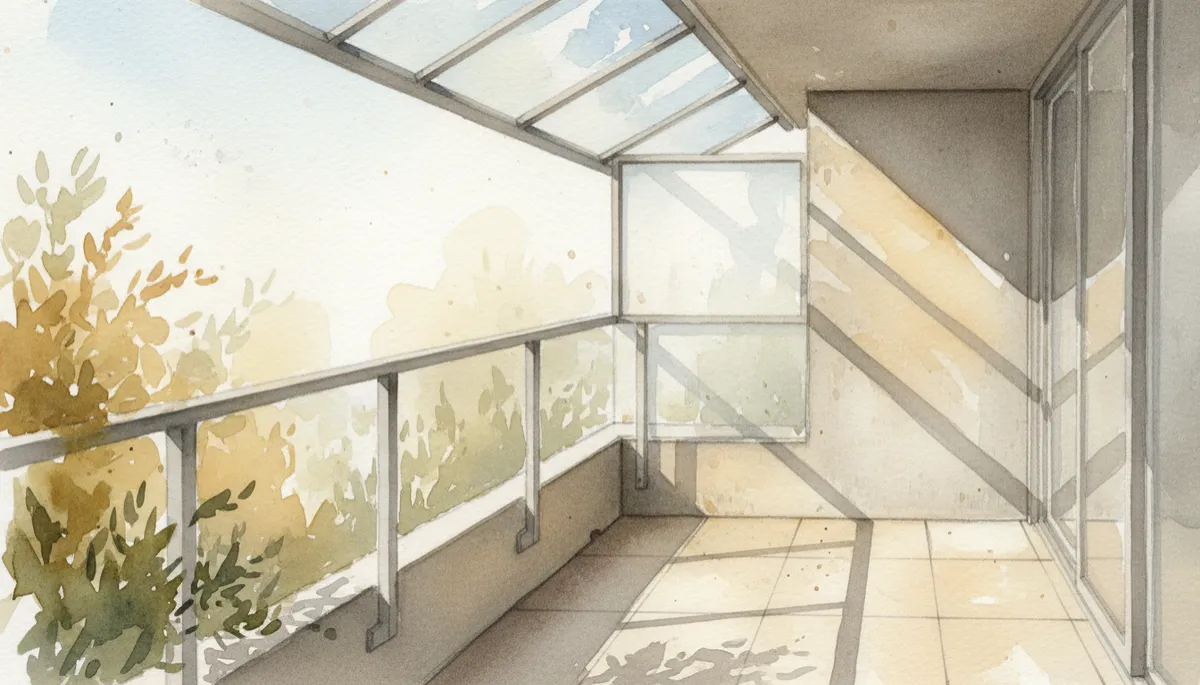
Mixing glass and polycarbonate panels balances brightness, shade, and privacy in compact balconies.
4. Designing Transparent Sections for Targeted Light Entry
You do not need the entire Roof Extension to be see-through to enjoy good natural light. Strategic transparent sections—whether in glass or polycarbonate—can be placed exactly where light is most valuable, while the rest of the roof uses more opaque or shaded materials for comfort.
Light strips along the facade. A narrow band of transparent material close to the sliding doors or windows allows daylight to penetrate deep into the room, even if the rest of the roof is solid or tinted for shade.
Skylight-style cut-outs. Rectangular or circular transparent panels placed above specific zones—such as a dining table near the balcony—create focused pools of natural light without exposing the entire area to heat and glare.
Alternating solid and clear panels. By alternating transparent and opaque roofing segments, you can create a rhythm of light and shade that feels dynamic and comfortable, especially in longer balconies or corridors.
💡 Pro Tip: When planning transparent sections, sketch the path of the sun across your unit. Align clear zones where you want brightness and keep solid panels where you prefer shade or privacy.
5. Understanding Sun Direction in Singapore Apartments
In Singapore, the sun direction plays a major role in how comfortable your Roof Extension will feel. Because we are near the equator, the sun is relatively high in the sky for most of the year, but east- and west-facing units still get stronger low-angle morning or afternoon sun that can cause heat build-up and glare if not managed properly.
East-facing balconies. These receive bright morning sun and are generally more comfortable. You can afford to use more transparent Glass Roof or Polycarbonate Roof sections here to maximise natural light, with minimal risk of overheating later in the day.
West-facing balconies. These get intense late-afternoon sun, which can make interiors uncomfortably warm. Consider tinted glass, frosted polycarbonate, or partial transparent sections combined with vertical blinds or outdoor shades to filter harsh rays while still allowing daylight in.
North- and south-facing units. These typically enjoy more even, indirect light. A mix of clear and translucent roofing works well, and strategic roof sizing becomes the main tool to avoid unnecessary shading of interior spaces.
If you are unsure about your unit’s orientation, check your floor plan or simply observe where the sun rises and sets relative to your balcony over a few days. This simple exercise can guide key decisions about roof depth, transparency, and shading devices.
6. Practical Tips for HDB Singapore and Condo Homeowners
Because HDB and condo developments have strict façade guidelines, it is important to check with your management or HDB regulations before finalising any Roof Extension. Within those rules, you can still do a lot to protect natural light:
Work with an experienced contractor familiar with HDB Singapore or condo approvals, so your Glass Roof or Polycarbonate Roof design complies with safety and aesthetic requirements.
Coordinate interior finishes with the roof design. Light-coloured walls, reflective flooring, and sheer curtains help bounce natural light deeper into the home, maximising the benefit of any transparent sections you include.
Consider ventilation. Adding a roof without airflow can trap heat. Incorporate side openings, louvres, or operable panels so hot air can escape while daylight still enters.
Bringing It All Together: A Brighter, More Liveable Extension
Keeping natural light when adding a Roof Extension is all about balance. Instead of simply covering every exposed area, think carefully about how light moves through your HDB or condo over the course of the day. Use strategic roof sizing to avoid deep, unnecessary shade, and choose between a Glass Roof or Polycarbonate Roof—or a combination of both—based on your unit’s sun direction, privacy needs, and comfort level.
Transparent sections, whether full panels or slim light strips, can be powerful tools to pull daylight exactly where you need it most: into living rooms, kitchens, and bedrooms that would otherwise feel dim after the extension is built. When thoughtfully planned, your new roof will not just protect you from rain; it will enhance your connection to the outdoors and make your Singapore home feel brighter, larger, and more welcoming every day.
