Metal Roofing in Singapore: Pros and Cons
Construction, Metal Roofing, Singapore Properties
Metal Roofing in Singapore: Pros, Cons, and What Homeowners Should Know
Metal roofing has become a serious contender in Singapore’s residential market, especially for landed homes, cluster housing, and boutique developments across areas like Bukit Timah, Serangoon Gardens, and the East Coast, where homeowners are also increasingly considering complementary solutions such as Aluminium Composite Panel (ACP) features, Polycarbonate or Glass roofs, FluteShield™, Pergola, Awnings, Wooden Cladding Aluminium, and ZipBlind® systems to complete their exterior upgrades. For Singapore-based businesses and agencies that advise property owners, manage A&A works, or coordinate full rebuilds, understanding the real-world advantages, trade-offs, and local homeowner concerns is essential to recommending metal roofs with confidence in this city-state’s unique climate and regulatory environment.
Why Metal Roofing Is Gaining Ground in Singapore
In a hot, humid, and storm-prone climate like Singapore’s, roofing is not just an aesthetic decision. It directly affects indoor comfort, long-term maintenance costs, and even property value. Traditionally, clay tiles and concrete tiles have dominated the landed housing scene. However, metal roofing systems—most commonly steel or aluminium panels with protective coatings—are increasingly specified in new builds, additions and alterations (A&A), and re-roofing projects.
For businesses, interior design studios, and renovation agencies, metal roofing presents both an opportunity and a responsibility. You can offer clients a premium, performance-driven solution—but only if you clearly explain what they are getting, where the value lies, and what compromises may be involved. The following sections break down the pros, cons, and key considerations you should communicate to homeowners before they sign off on a metal roof.
Pros of Metal Roofing in Singapore
1. Exceptional Durability and Longevity
One of the strongest selling points of metal roofing is its lifespan. Quality metal roofs, especially those made from coated steel or aluminium, can last 30 to 50 years or more with proper installation and basic maintenance. In comparison, some traditional materials may require more frequent repair or partial replacement due to cracking, spalling, or water ingress over time.
In Singapore, where heavy rain, strong winds, and intense UV exposure are common, this durability translates into fewer disruptions for homeowners and a more predictable maintenance schedule for property managers. For agencies overseeing multiple properties, a metal roof can reduce urgent call-outs and after-sales friction, which ultimately protects your brand reputation.
2. Lightweight Yet Structurally Strong
Metal roofing panels are significantly lighter than many tile-based systems. This lower dead load can be a major advantage when:
Re-roofing older landed properties where structural capacity is a concern
Adding extensions, attic rooms, or new roof forms during A&A works
Designing contemporary homes with longer spans or slimmer structural members
For architects and renovation agencies, this opens up more design flexibility while keeping structural engineering requirements manageable. It can also shorten project timelines because lighter roofing components are faster to handle and install on site.
3. Fast and Efficient Installation
Metal roofing systems are typically supplied as large panels or modular sheets, which can cover more area in less time compared to individual tiles. For businesses managing tight project schedules—common in Singapore’s renovation landscape—this speed can be a serious advantage:
Shorter on-site installation reduces labour costs and overheads
Homeowners experience less disruption and noise during renovation
Projects can be better coordinated around wet weather periods
When positioned correctly, faster installation becomes part of your value proposition as an agency—helping you stand out in a crowded market of contractors and renovators.
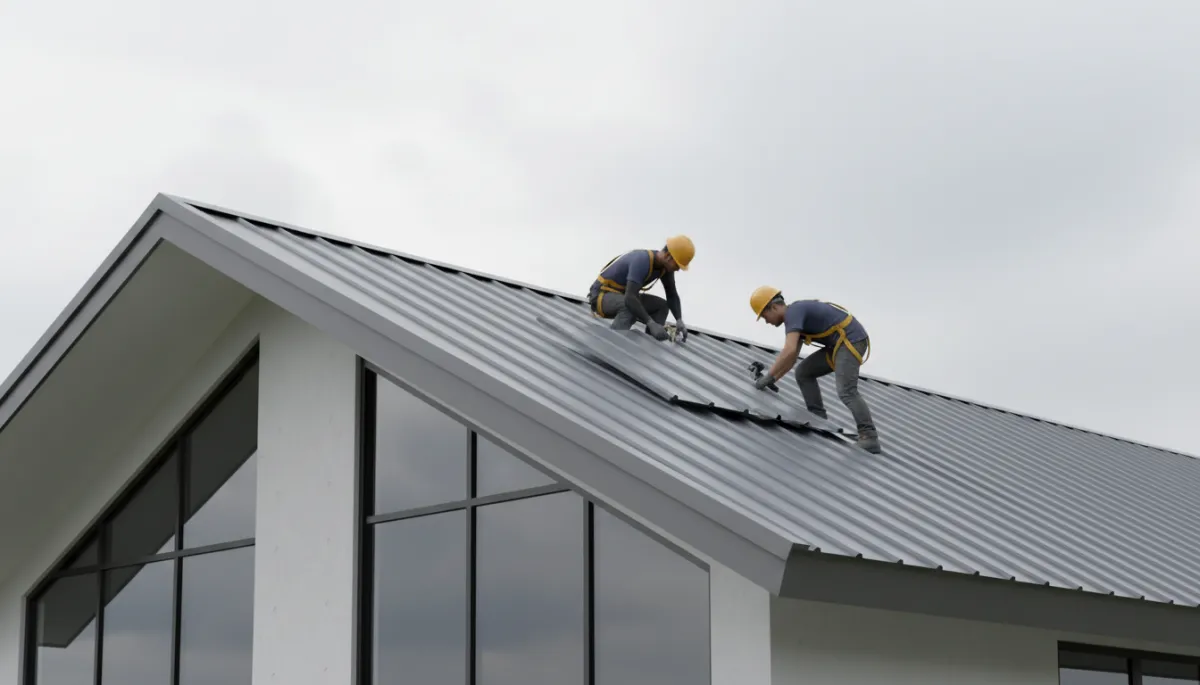
Well-installed metal roofs combine speed of construction with long-term performance and reliability.
4. Good Weather Resistance and Leak Protection
Singapore’s monsoon seasons bring intense downpours and strong winds. Quality metal roofing systems are designed with overlapping seams, concealed fasteners, and proper flashing details to channel water away efficiently. Standing seam systems, in particular, offer excellent protection when installed by experienced roofers who understand local conditions and Building and Construction Authority (BCA) requirements.
For agencies, this is a crucial talking point: a metal roof, specified and installed correctly, can significantly lower the risk of leaks and water damage—one of the most common sources of homeowner complaints after a renovation project. It is also easier to identify and rectify issues on a metal roof surface compared with brittle tiles that may crack when walked on.
5. Design Flexibility and Modern Aesthetics
Today’s metal roofs are far from the industrial-looking sheets many homeowners imagine. They are available in:
Sleek standing seam profiles for contemporary, minimalist homes
Textured or stone-coated metal tiles that mimic clay or slate
A neutral colour palette—charcoal, cool grey, muted brown—that aligns with modern façade design
This design flexibility allows agencies to meet aesthetic briefs without sacrificing performance. Metal roofing also integrates cleanly with solar panel installations and skylights, which are increasingly requested by sustainability-conscious homeowners in Singapore.
6. Lower Long-Term Maintenance
While no roof is completely maintenance-free, metal roofing generally requires less frequent intervention. There are fewer individual components to shift or break, and many coatings are designed to resist corrosion and colour fading in tropical climates. Routine checks, debris removal, and occasional touch-up work are usually sufficient to keep a metal roof performing well for decades.
For property management firms and agencies offering long-term maintenance packages, this predictability can simplify service offerings and reduce the risk of major rectification costs later on.
Cons of Metal Roofing in Singapore
1. Higher Upfront Cost Compared to Basic Options
One of the biggest hurdles when proposing metal roofing to homeowners is the initial price. Premium metal systems, especially standing seam or stone-coated tiles, often cost more per square metre than basic concrete tiles or low-end alternatives. When budgets are tight, clients may be tempted to choose the cheapest option without fully understanding lifecycle costs.
As a business or agency, it is important to frame metal roofing as a long-term investment rather than a short-term expense. However, you should also be transparent: not every homeowner will stay in the same property long enough to fully realise the long-term savings, so cost-benefit discussions must be tailored to their plans and priorities.
2. Heat and Thermal Comfort Concerns
A common misconception is that metal roofs automatically make a house hotter. In reality, heat performance depends heavily on the roof build-up: insulation, ventilation, reflective coatings, and ceiling design. Bare metal sheets without proper insulation will indeed transmit heat quickly, which is unsuitable for Singapore homes. However, modern systems are usually installed with:
Thermal insulation blankets or rigid boards beneath the panels
Reflective or “cool roof” coatings that reduce heat absorption
Ventilated roof spaces to allow hot air to escape
If these elements are missing or poorly executed, homeowners may experience higher indoor temperatures and increased air-conditioning costs. This is where agencies must be very clear: the performance of a metal roof is only as good as its overall system design and installation quality.
3. Noise During Heavy Rain and Storms
Another frequent concern in Singapore is noise. Metal roofs can be noticeably louder than tile roofs during heavy rain or hail. For some homeowners, the sound is comforting; for others, it is disruptive—especially in bedrooms or study areas directly under the roof slope.
The good news is that acoustic performance improves significantly when proper insulation, roof underlays, and ceiling systems are used. As an agency, you should:
Set realistic expectations about noise levels, especially during storms
Propose acoustic upgrades if bedrooms are located directly under the roof
Work with installers who understand both thermal and acoustic detailing
4. Risk of Corrosion in Coastal or Polluted Areas
While metal roofs are engineered to resist rust, they are not immune to corrosion—especially in harsh environments. In Singapore, homes close to the sea or industrial zones may be exposed to salt-laden air or pollutants that accelerate deterioration if the wrong material or coating specification is used. Poor detailing, ponding water, and trapped debris can also shorten a roof’s lifespan.
Agencies must therefore:
Choose marine-grade or higher-spec coatings for coastal projects where appropriate
Ensure correct flashing and drainage details to avoid standing water
Explain to homeowners the importance of simple preventive maintenance
5. Installation Quality Is Critical
Unlike some traditional roofs where minor workmanship issues may take longer to show, metal roofs tend to reveal flaws quickly—through leaks, rattling panels, or visible waviness (oil-canning). This means that the choice of contractor is absolutely crucial. Using inexperienced installers or cutting corners on accessories (such as sealants and fasteners) can undermine all the benefits of the system.
For agencies, this is both a risk and a differentiator. Partnering with reputable roofing specialists, insisting on manufacturer-approved systems, and documenting installation standards in your contracts can protect both your client and your brand.
What Homeowners Should Know Before Choosing Metal Roofing
1. Understand the Full Roof System, Not Just the Panels
When homeowners ask, “Is metal roofing good?”, they are often thinking only about the outer panels. As a business or agency, you should reframe the discussion around the entire roof system, which typically includes:
Roof structure (rafters, purlins, or metal framing)
Underlay or membrane for waterproofing and condensation control
Insulation for thermal and acoustic comfort
Metal panels or tiles with appropriate coatings
Flashings, cappings, gutters, and downpipes for drainage
Helping clients see the roof as an integrated system makes it easier to justify the cost of proper insulation, better membranes, and quality accessories—all of which determine how comfortable and durable the final roof will be.
2. Ask About Warranties and After-Sales Support
Homeowners should not only compare quotations but also understand the warranties behind each metal roofing proposal. As an agency, encourage them to ask:
What is the warranty period for the metal panels and coatings?
Is there a separate workmanship warranty from the installer?
What conditions must be met to keep the warranty valid (e.g., cleaning schedule, no unauthorised modifications)?
Agencies that proactively clarify these points and offer structured after-sales support will typically enjoy higher client satisfaction and more referrals, especially in the landed property segment where word-of-mouth is powerful.
3. Clarify Maintenance Expectations from Day One
“Low maintenance” does not mean “no maintenance.” Homeowners should know that even a high-quality metal roof benefits from simple, regular care, such as:
Clearing leaves and debris from gutters and valleys to prevent water backup
Inspecting exposed fasteners and sealants periodically for wear or movement
Avoiding harsh chemical cleaners that may damage protective coatings
Agencies can turn this into a value-added service by offering annual inspection packages or bundling roof checks into broader home maintenance plans. This not only supports roof performance but also creates recurring touchpoints with clients.
4. Consider Aesthetics and Neighbourhood Context
In many Singapore landed estates, the roof is a highly visible part of the streetscape. Homeowners may be concerned about how a metal roof will look compared with neighbouring properties or whether it will affect resale value. Agencies should help clients:
Choose neutral, timeless colours that blend well with the surroundings
Review 3D visualisations or reference projects before finalising the profile and colour
Check any relevant guidelines or restrictions for conservation or special-use areas
By addressing aesthetic concerns early, you reduce the risk of last-minute design changes that can delay projects and strain relationships.
5. Align Roof Choice with Long-Term Plans
Finally, homeowners should consider how long they plan to stay in the property and what they expect from it. A family intending to hold a landed home for 20–30 years will evaluate metal roofing differently from an owner planning to sell in five years. As a business or agency, you can guide them with questions such as:
Are you prioritising lower yearly maintenance, or minimum upfront spend?
Do you plan to add solar panels or further extensions later on?
How important are design consistency and premium feel for future resale?
Positioning metal roofing within this bigger picture helps clients make decisions they are less likely to regret—and positions your agency as a trusted advisor rather than just a contractor.
Helping Clients Decide: How Businesses and Agencies Can Add Value
For businesses and agencies in Singapore’s renovation and property ecosystem, metal roofing is not just another product line. It is an opportunity to differentiate through education, transparency, and system-level thinking. Some practical ways to add value include:
Preparing simple comparison charts that show upfront cost versus estimated lifespan and maintenance for different roof types
Offering “good, better, best” metal roof packages with clear inclusions (insulation type, coating grade, warranty terms)
Conducting site visits with roofing specialists to assess exposure, structure, and detailing before quoting
Documenting installation standards and inspection checklists to ensure consistent quality across projects
These steps may require more effort upfront, but they build trust and reduce disputes later—especially important in high-value landed property projects where expectations are high and word-of-mouth travels fast.
Conclusion: Is Metal Roofing Right for Singapore Homeowners?
Metal roofing offers a compelling mix of durability, design flexibility, and long-term performance that aligns well with Singapore’s climate and the expectations of many landed homeowners. Its key strengths—lightweight construction, strong weather resistance, and relatively low maintenance—make it particularly attractive for agencies managing complex renovations or new-build projects with demanding briefs.
At the same time, metal roofing is not a one-size-fits-all solution. Higher upfront costs, potential noise, and the need for excellent system design and installation mean that it must be specified thoughtfully. Homeowners deserve clear, honest explanations of both the pros and cons, along with realistic expectations around comfort, aesthetics, and maintenance.
For businesses and agencies, the real opportunity lies in becoming that trusted guide—helping clients navigate options, balancing budgets with performance, and ensuring that every roof you deliver is not just visually appealing on day one but continues to protect and enhance the property for decades to come. When positioned and executed well, metal roofing can be a cornerstone of high-quality, future-ready homes across Singapore’s evolving residential landscape.
