
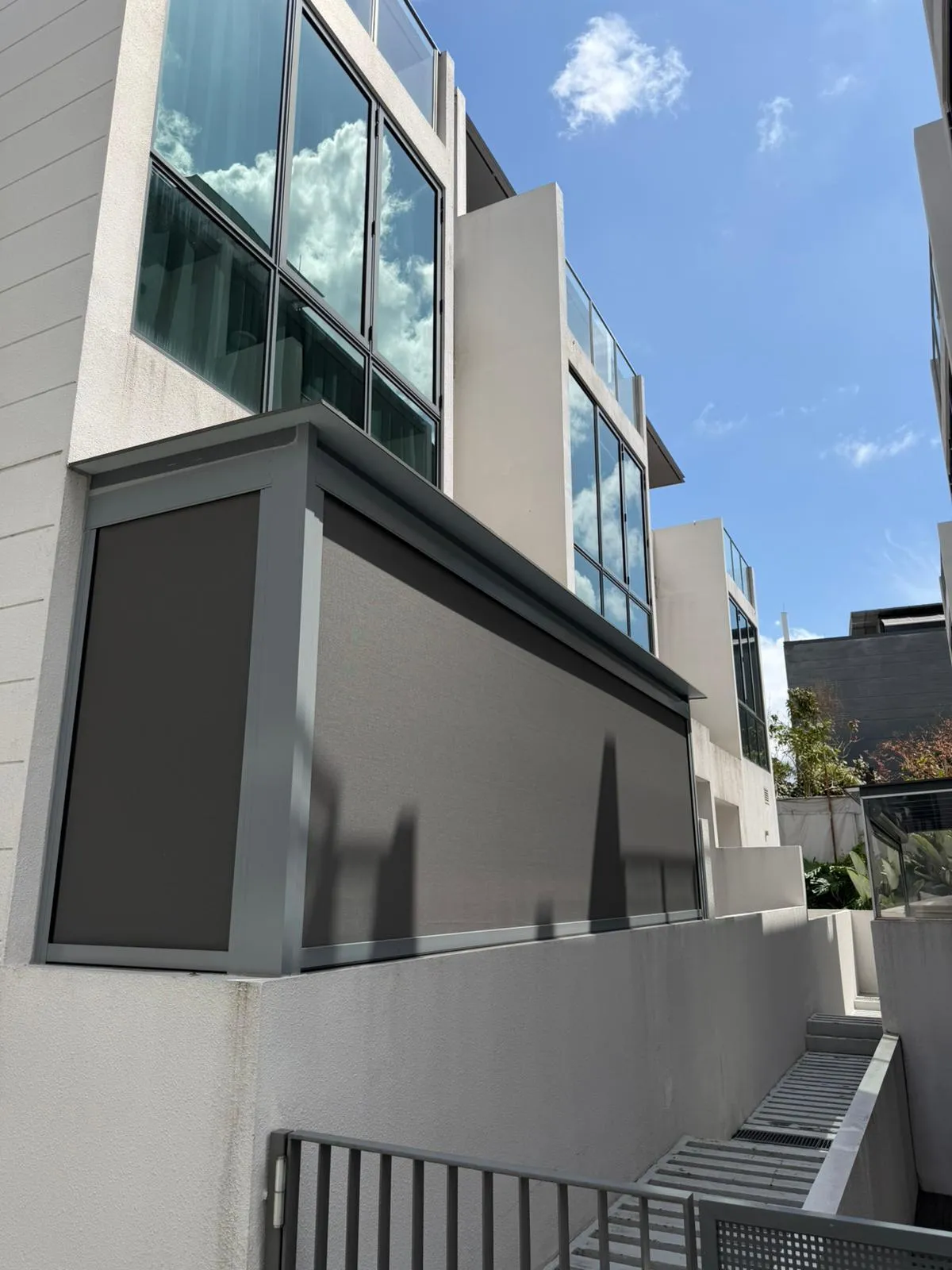
Why Your Balcony Feels Hotter After Installing Roof in Singapore
Installing a roof in Singapore should make your balcony, patio, or outdoor area more comfortable.
But sometimes, homeowners experience the opposite.
The area is now sheltered from rain, but it feels hotter, stuffier, and less enjoyable during the day. The balcony may look more complete, but stepping outside feels like opening an oven door with better flooring.
This usually happens when the wrong roofing material or roof design is chosen.
In Singapore’s hot, humid, and rainy weather, a roof should not only block rain. It should also manage heat, sunlight, airflow, glare, and comfort. It is important to understand how the roof will affect the temperature of your space.
Why Some Roofs Make Outdoor Spaces Hotter
A roof changes how heat behaves in your outdoor area.
Before installing a roof, sunlight may hit the balcony directly, but heat can escape more easily. After installing a roof, the area becomes more enclosed. If the roofing material allows too much heat through or traps hot air, the space can feel warmer than expected.
This can happen in:
Condo balconies
Landed patios
Car porches
Side yards
Outdoor dining areas
Semi-outdoor living spaces
A roof in Singapore needs to be planned for both rain and heat. Solving only the rain problem while ignoring heat is how homeowners end up with a dry balcony they still do not want to use.
The Problem With Choosing a Roof Based Only on Rain Protection
Many homeowners start with one simple goal: “I just want to block the rain.”
That makes sense. Singapore rain can be sudden and intense. But rain protection is only half the story.
A good roofing solution in Singapore should also consider:
Heat control
Sun direction
Glare
Ventilation
Roof height
Roofing material
Colour and finish
How the space will be used
A roof that blocks rain but traps heat may not improve your lifestyle. It just changes the problem from “too wet” to “too hot”.
Roof Colour and Finish Can Affect Heat Too
The roofing material matters, but colour and finish also play a part.
Darker surfaces tend to absorb more heat. Lighter finishes may reflect more light and reduce heat build-up. This is why colour selection should not be based only on appearance.
When choosing a roof in Singapore, homeowners should think about:
How much sun the area receives
Whether the roof colour absorbs heat
Whether the finish creates glare
Whether the roof matches the home design
Whether the space will feel too dark or too bright
A roof should look good, but it should also feel good when you are standing under it at 3pm.
Roof Height and Airflow Matter
Even with the right roofing material, poor airflow can make the space feel stuffy.
If the roof is installed too low or the area is boxed in with walls and panels, hot air may get trapped. This makes the balcony or patio feel warmer, especially during humid weather.
A proper roof installation in Singapore should consider airflow.
Good design should allow hot air to escape where possible. This helps the space feel less trapped and more comfortable.
Before installing a balcony roof or patio roof, homeowners should ask:
Will the roof block airflow?
Is the roof too low?
Will hot air be trapped?
Does the space need side openings?
Will ZipBlind® affect ventilation?
A roof should create shelter, not turn your balcony into a slow cooker.
West-Facing Spaces Need Extra Care
West-facing balconies and patios in Singapore need special attention.
These spaces receive strong afternoon sun, which can make the floor, walls, glass doors, and furniture very hot. If the wrong roof is installed, the heat problem may remain or even become worse.
For west-facing areas, homeowners should focus on:
Stronger shade
Heat reduction
Glare control
Side sun protection
Proper ventilation
Suitable roofing material
An Aluminium Composite Panel (ACP) roof or FluteShield™ Fluted panels is often more practical for west-facing spaces because it blocks direct sunlight. A polycarbonate roof may still work in some cases, but homeowners should be careful if heat reduction is the main goal.
Why ZipBlind® May Be Needed With Roofing
A roof protects from above, but heat and glare can still enter from the sides.
This is especially common for balconies and patios that face strong afternoon sun. Even with a good roof, side sunlight can still make the space hot and uncomfortable.
This is where ZipBlind® can help.
Pairing a roof in Singapore with ZipBlind® can help reduce:
Side glare
Wind-driven rain
Heat from the sides
Privacy concerns
Dust entering the space
For homeowners who want a more usable outdoor area, the best solution may not be just a roof. It may be a full weather protection setup with roofing, side protection, and proper ventilation.
Conclusion
If your balcony or patio feels hotter after installing a roof, the issue may not be the idea of roofing itself. It may be the wrong roofing material, poor design, weak ventilation, or a roof that was chosen only for rain protection.
In Singapore, a good roof should do more than keep the floor dry. It should help manage heat, sunlight, rain, glare, and airflow.
The best roof in Singapore is the one that fits your home’s direction, weather exposure, and how you actually use the space based on comfort, design, and long-term usability. s
